The 5G Build-Out: What’s Driving Cell Tower Demand Across America
As carriers race to densify their networks, demand for 5G cell tower infrastructure is surging across the US. Here is what is driving tower demand in 2026 and what it means for mobile operators.
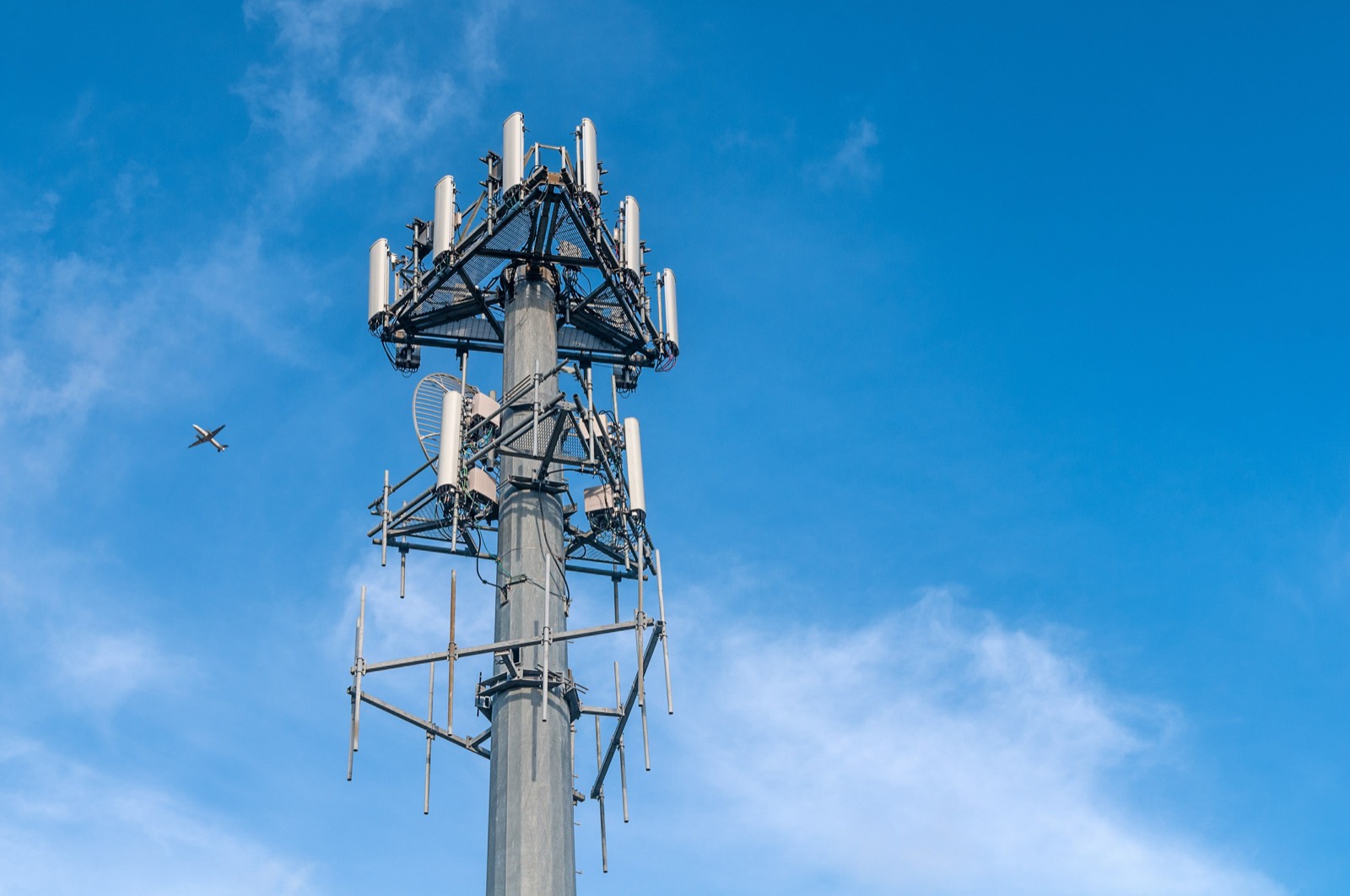
The transition to 5G is the most significant upgrade in mobile connectivity in a decade, and it is reshaping demand for 5G cell tower infrastructure across the United States. Unlike previous network generations, 5G does not simply ride on existing macro sites — it requires a denser, more distributed grid of towers, rooftops, and small cells to deliver on its promise of low latency and multi-gigabit speeds. For mobile operators and the infrastructure partners that support them, that means one thing: more sites, deployed faster, in more places.
Why 5G Needs More Towers
5G performance depends heavily on the spectrum it uses. Higher-frequency bands carry far more data but travel shorter distances and struggle to penetrate buildings and foliage. To maintain both coverage and capacity, carriers must place transmitters closer together — a process known as network densification. Where a 4G deployment might have relied on a single macro tower to cover a wide area, a comparable 5G footprint can require several additional sites, small cells, and distributed antenna systems to deliver the same experience indoors and in crowded urban environments.
Mid-Band Spectrum and the Densification Race
Much of today’s investment is concentrated in mid-band spectrum, which balances coverage and capacity. As carriers light up these frequencies nationwide, they are racing to upgrade thousands of existing macro towers and commission new ones. This densification race rewards operators who can secure tower space quickly and predictably — and it places a premium on infrastructure partners with an existing portfolio and the ability to develop new sites on aggressive timelines.
The Role of Tower Infrastructure Partners
Few carriers want to own and operate every site themselves. Tower infrastructure providers like PT Global Networks own, manage, and lease the physical assets — towers, rooftops, and ground space — that carriers mount their equipment on. This shared-infrastructure model spreads cost across multiple tenants, accelerates deployment, and lets operators focus on their networks instead of real estate, zoning, and construction. Our tower leasing and build-to-suit services are designed precisely for this moment in the 5G cycle.
What This Means for Mobile Operators
For operators, the practical takeaway is that speed and footprint matter more than ever. A partner with a nationwide coverage portfolio and a proven site-acquisition process can shave months off a deployment and reduce the risk of stranded capital. As 5G expands from dense metros into suburban and rural markets, the operators who win will be those who lock in reliable tower capacity early.
Looking Ahead
The 5G build-out is far from over. Edge computing, fixed wireless access, and private networks are all driving incremental demand for well-located, well-managed tower assets. Demand for 5G cell tower infrastructure will keep climbing through the rest of the decade, and infrastructure partners who can build, lease, and maintain at scale will be central to how America stays connected.
Ready to scale your 5G footprint? Talk to our infrastructure team about tower availability in your markets.