Build-to-Suit vs. Co-location: Choosing the Right Cell Tower Strategy
Should you co-locate on an existing tower or commission build-to-suit cell towers? We break down the trade-offs in cost, speed, and control for carriers and enterprises.
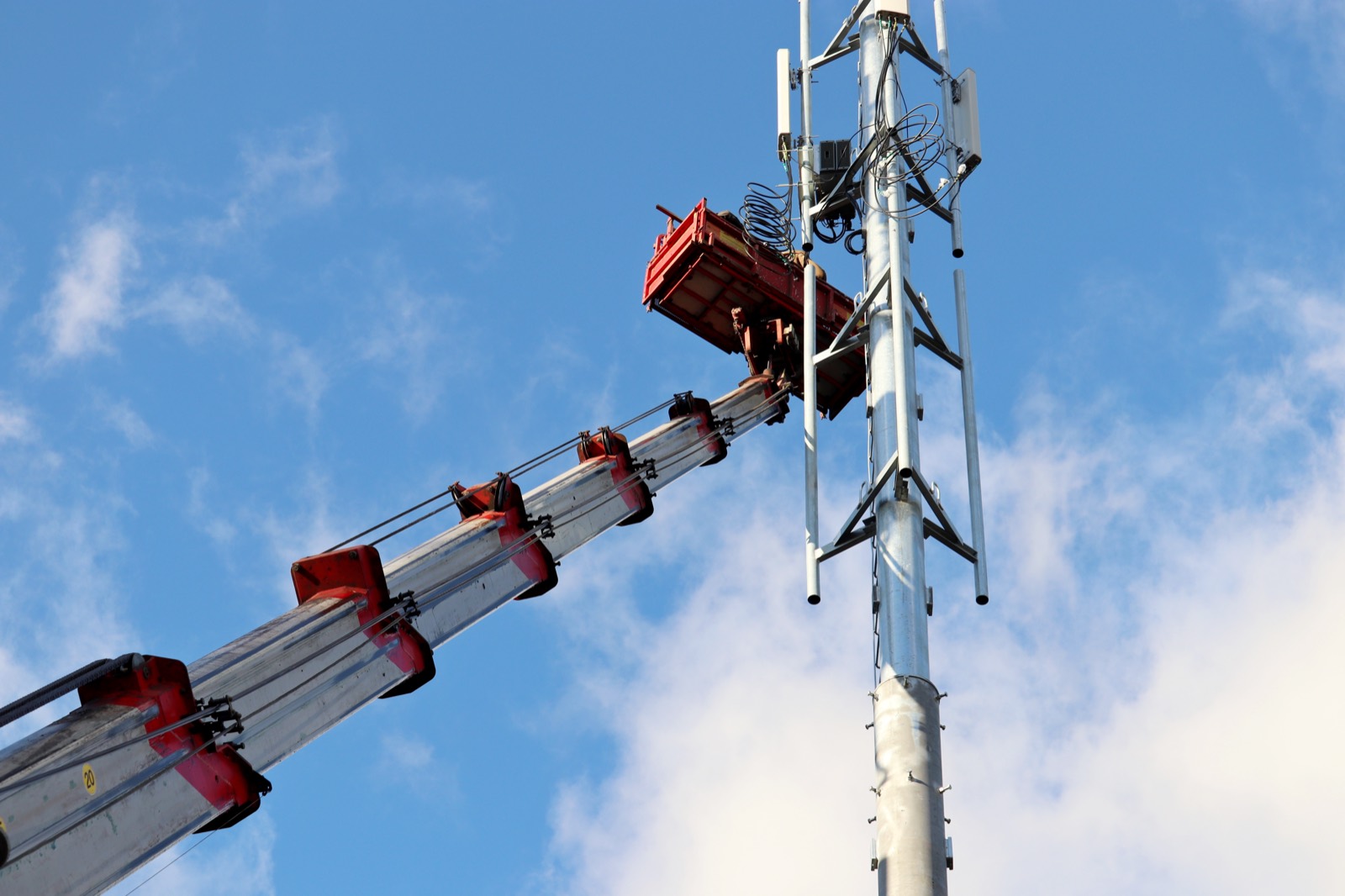
When a carrier or enterprise needs to expand wireless coverage, one of the first strategic decisions is how to secure the site itself. The two dominant approaches are tower co-location and build-to-suit cell towers. Each has distinct advantages in cost, speed, and control, and choosing the right one can determine how quickly and economically a network gets to air.
What Is Tower Co-location?
Co-location means mounting your equipment on an existing tower already owned and operated by an infrastructure provider. Because the structure, ground lease, power, and zoning are already in place, co-location is typically the fastest and least expensive way to add coverage. Multiple carriers can share the same tower, splitting the cost of the underlying asset. For most urban and suburban expansions, co-location on a well-located existing site is the natural starting point.
What Is a Build-to-Suit Tower?
Build-to-suit cell towers are new structures designed and constructed to a specific operator’s requirements, usually in areas where no suitable existing site is available. The infrastructure partner handles site acquisition, zoning, permitting, and construction, then leases the finished tower back to the carrier — often with capacity reserved for additional tenants. Build-to-suit is the right answer when coverage gaps fall outside the existing tower grid, such as new highway corridors, growing exurbs, and underserved rural markets.
Comparing Cost, Speed, and Control
Co-location wins on speed and upfront cost, but it constrains you to existing locations and structural capacity. Build-to-suit costs more and takes longer, but it delivers a site engineered to your exact specifications, in exactly the location you need, with room to grow. Many large deployments use a blended strategy: co-locating wherever possible and commissioning build-to-suit cell towers to fill the gaps.
The Site Acquisition Process
Whichever path you choose, the site acquisition and development process is where projects succeed or stall. It includes identifying candidate locations, negotiating ground leases, securing zoning approvals, completing structural and environmental analysis, and managing construction. An experienced partner with local relationships and in-house compliance expertise can compress this timeline dramatically and reduce the risk of permitting delays.
How to Decide
Start with your coverage objective and check it against an existing tower portfolio. If a suitable site exists, co-locate. If it doesn’t, build-to-suit is your path. The best outcomes come from working with a partner that offers both, so the strategy is driven by your network needs rather than the limits of a single solution.
Not sure which approach fits your market? Contact PT Global Networks and we’ll map your coverage goals to the fastest, most cost-effective path.